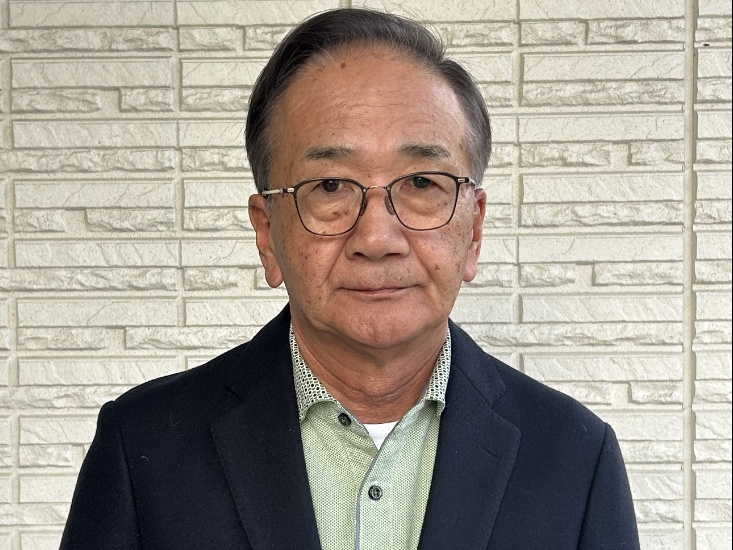
In February 2017, I registered with Kanagawa prefecture as a National Interpreter Guide in English. Since then, I have guided mainly in Tokyo and Kamakura and Hakone in Kanagawa Prefecture, except during the corona virus epidemic. In addition, in February 2022, I became a Hakone Adventure Travel Guide certified by the Hakone DMO. I am especially good at walking and hiking tours. Here are my recommendations for Tokyo and Hakone.
Tokyo – Imperial Palace
The Imperial Palace is formally known as the Edo castle, the stronghold of the Tokugawa Shogunate. This place has been the residence of emperor of Japan since after the Meiji Restoration in 1868. The palace with a compound of 1.15 million square metere consists of the main palace where ceremonies and functions are held, the resindence of the Emperor and Empress, and the East Garden containing the ruins of Tensyukaku Donjon. The Chowadn Hall, located in the main Imperial Palace, is noted for the New Year’s visit by the general public to the Imperial Palace.
Tokyo – Asakusa
Asakusa is a famous sightseeing spot in Tokyo, which is reminiscent of the Edo period. This district has been flourishing as a temple town of Senso-ji, the oldest and the largest temple in Tokyo, Kaminarimon, or “Thunder Gate,” the outer gate of the temple is very famous as a landmark of Asakusa for its huge red lantern. Both domestinc and foreign tourists flock to thie venerable temple and the shopping arcade called “Nakamise” in the compound, the best place to buy traditional Japanese souvenirs in Tokyo.
Hakone – Owakudani Valley
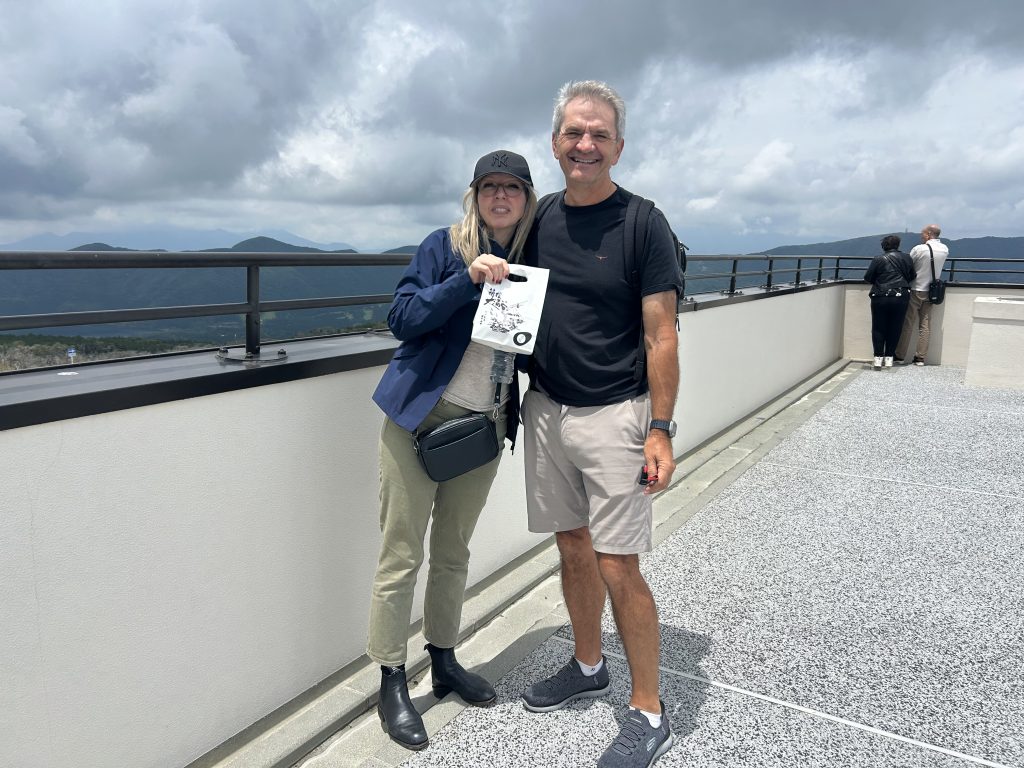
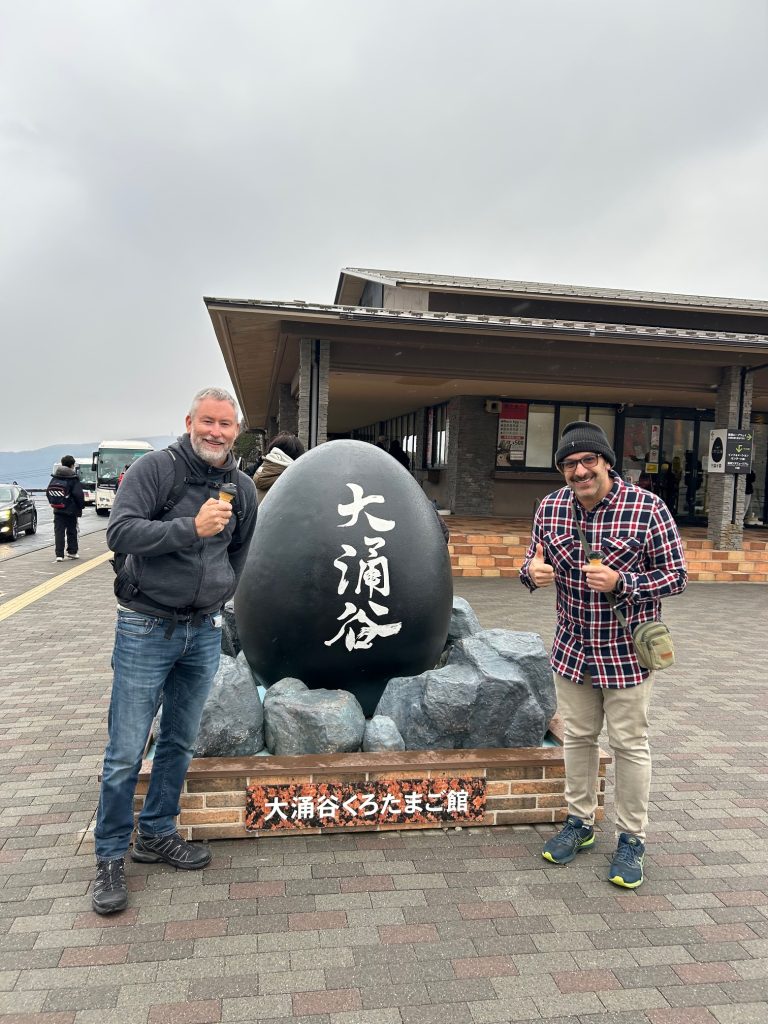
One of the most popular sightseeing spots in Hakone. There are exploded craters, which were formed by the last phreatic eruption of Hakone Volcano about 3,000 years ago, and activer sulfur and hot stream vents. White smoke envelops the desolate ground to this day, and you can feel the intensity of a active volcano. This place is also a popular viewing spot for Mt. Fuji.
Hakone – Jinja Shrine
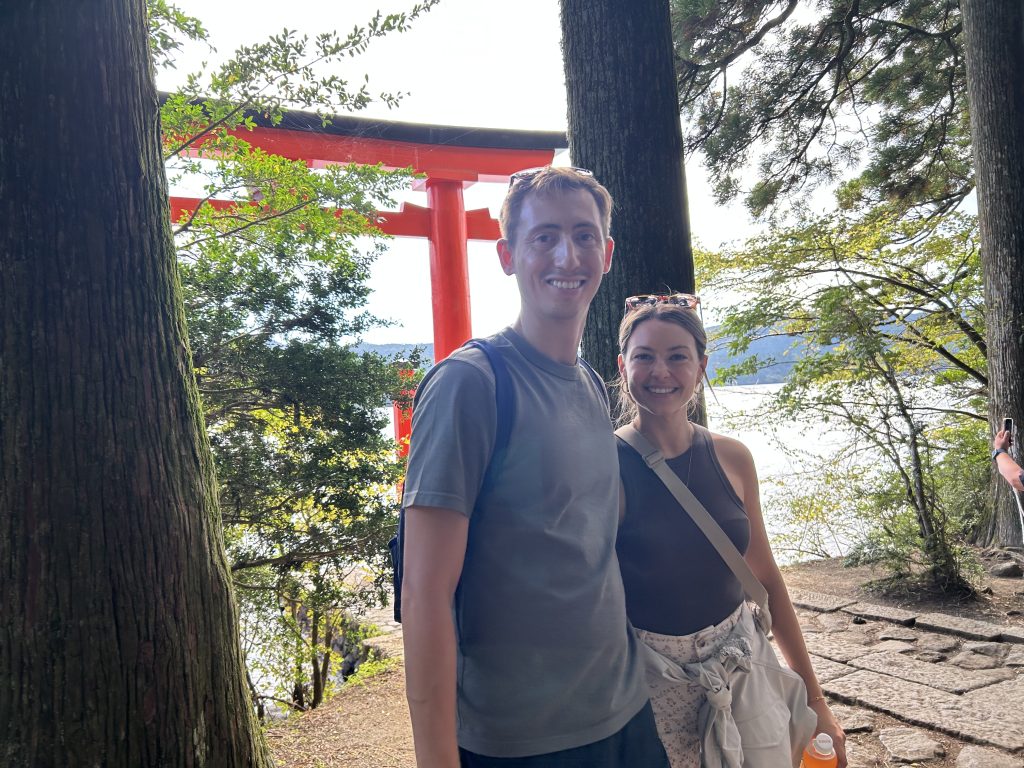
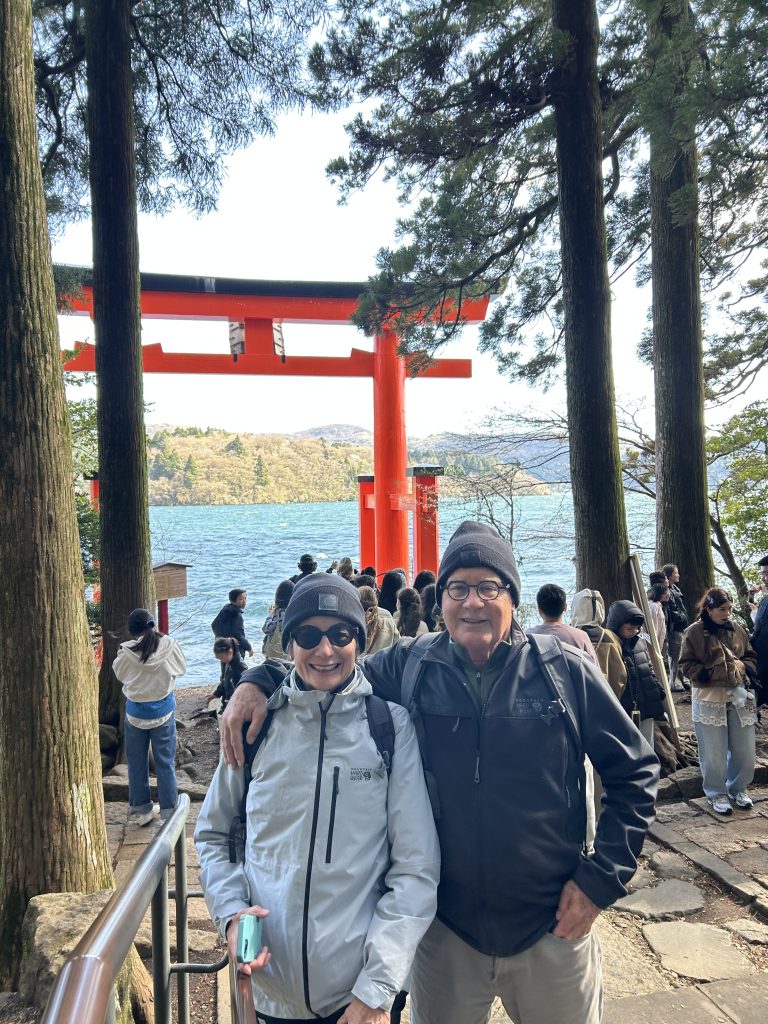
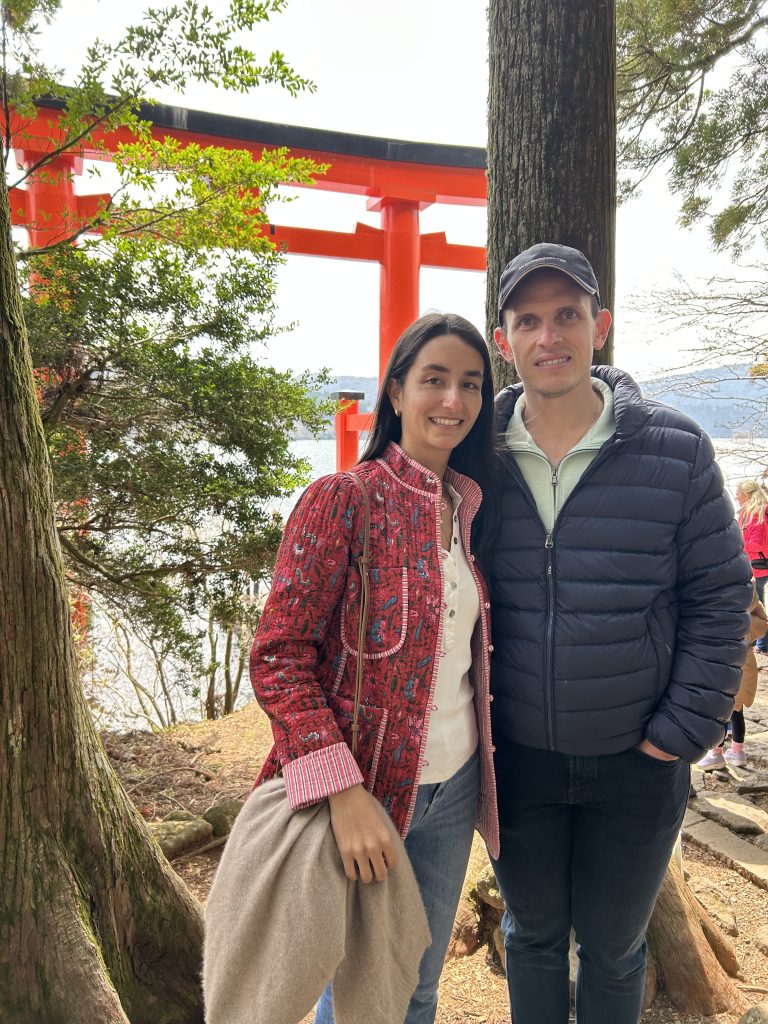
Hakone Jinja Shrine is famous for its Shinto shrine archway of Peace, which was founded in its current location in 757 based on a revelation of the priest Mangan. Manga was famous priest who trained in strict ascetic practices and pacified the nen-headed dragon that lived at the bootm of Lake Ashi, and history is still handed down to people today.
Hakone – Check Point
Tokugawa shogun placed 53 sekisy (facility of inspection) on major roads across the nation to defend Edo (current Tokyo). Hakone Sekisho was one of the largest and was thought to be important among them. Hakone Sekisyo was placed on the current location in 1619, during an early period of Edo Era. One of the main roles of sekisho was to control “incoming guns and outgoing women”, which means to prevent wapons from being brought into Edo and wives and children of feudal lords from fleeing from Edo. However, Hakone Sekisho did not inspect “incoming guns” andseverely inspected “outgoing women”. Sekisho which operatef for about 260 years furing Edo Era, was dissoloved in the next years of 1868, when government changed.