
This is a private guided tour report by Japan Guide Agency (JGA Inc.), a network of 1,000+ government-licensed, English-speaking local guides across all 47 prefectures of Japan.
Tour Itinerary
- 9:00 Meet at Hotel Kyoto
- Takase River → Shijo Ohashi Bridge → Minamiza Theater → Miyagawacho → Ebisu Shrine → Zenkyoan → Kenninji Temple → Stroll through Hanamikoji
- 10:15 View the Gion Festival float at the Kanji Museum
- 10:30 Yasaka Shrine
- Stroll along the Shirakawa River → Furukawacho Shopping Street
- 11:00 Chionin Temple
- 12:00 Shorenin Temple
- 13:00 Disband at Shorenin Temple
Tour Itinerary in Detail
The tour started at 9:00 at Hotel Kyoto and ended at 13:00. The day ran to 4 hours from start to finish.
Over the course of the day the route took in View the Gion Festival float at the Kanji Museum at 10:15, Yasaka Shrine at 10:30, Chionin Temple at 11:00 and Shorenin Temple at 12:00.
What Is a Half-Day Private Kyoto History and Local Life Walking Tour Like? A Licensed Guide's Report
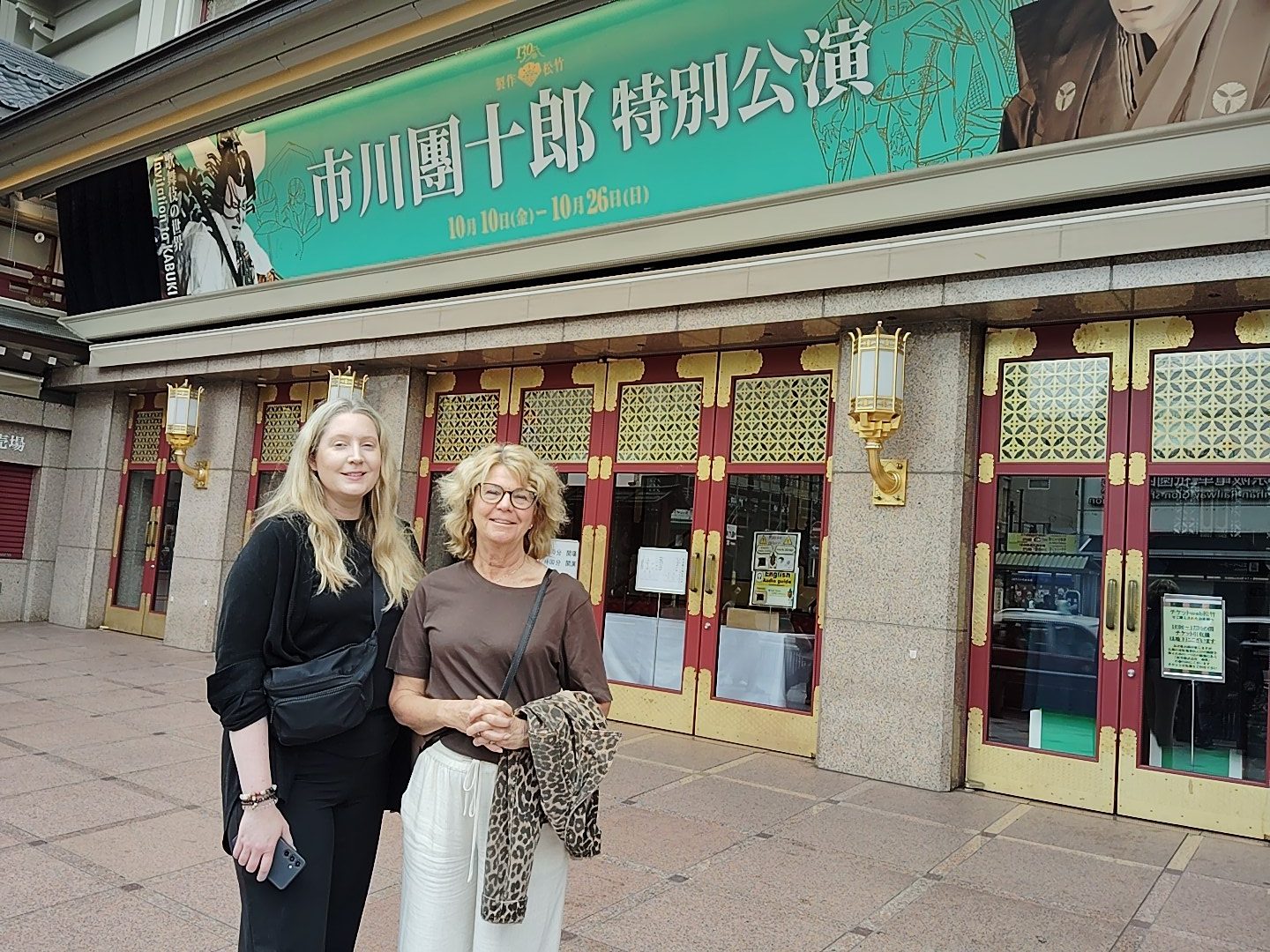
The guests did not have any specific requests for destinations and simply wished to "learn about the history of Kyoto and the daily life of the people of Kyoto," so I proposed the itinerary above, taking into account the location of the Hotel and the tour time. The guests were a group from Europe visiting Japan. They had arrived in Kyoto the day before and had been overwhelmed by the crowds, so I felt a little apologetic that the itinerary included Hanamikoji and Yasaka Shrine. However, if I removed those, it would be difficult to explain what a geisha is, so I decided to proceed as planned. As we passed from Minamiza through Kawaramachi into Miyagawacho, we were fortunate enough to come across a maiko and a geiko. They were standing beside what appeared to be a company retreat bus, so perhaps there was some connection. The guests understood that pointing a camera at them would be rude, but both the guests and I were delighted at how fortunate we were. Upon entering Miyagawacho, I explained the three-ring "mitsuwa" mark inscribed on the lanterns and the tea houses. The guests were pleased with how quiet and atmospheric Miyagawacho was. I also had them view the recently completed kaburenjo theater from the outside. They admired how, although the building was new, its design harmonized well with the surroundings. Next, we entered Ebisu Shrine from the back. They liked this quiet place as well. Then we decided to pass through Kenninji, which is guarded by Ebisu Shrine and is one of the three rings of Miyagawacho. Before that, we passed through Zenkyoan, whose messenger is the boar. As expected, they loved the adorable boar figurines and enjoyed the garden's quiet atmosphere. Next, we went to Kenninji. The guests seemed quite interested in the religious views of Japanese people, asking about the relationship between Shinto and Buddhism and whether there had been conflict between them. I explained that when Buddhism entered Japan there was a struggle between supporters and opponents, that afterward the two came to harmonize well through the fusion of Shinto and Buddhism, that a movement to abolish Buddhism arose in the Meiji era but did not succeed, and that Kenninji itself was affected by that movement. They were very pleased with how quiet and lovely this place was too. Next, we strolled through Hanamikoji, and since I had explained the Gion Festival back in Miyagawacho, I had them view a life-size festival float at the Kanji Museum as a way to understand the daily life of Kyoto's people. (The guests preferred Miyagawacho to Hanamikoji.) Then we headed to Yasaka Shrine, the birthplace of geisha culture and the Gion Festival. At Ebisu Shrine I had explained that shrines generally have auxiliary and subordinate shrines, but Yasaka Shrine has particularly many of them, and the guests showed considerable interest in this, so I decided to walk around the entire grounds. My plan had been to exit from the back and go to Chionin, but since we came all the way around and exited again from the west gate, I decided to have them stroll along the Shirakawa River. As expected, they were moved by its beauty. Just then we could see the charming lanterns of the Furukawa shopping street, so I asked, "This is an Instagram spot; would you like to go?" and since they said they definitely wanted to, we crossed Ichijo Bridge, where photos were taken to post on social media. We crossed back over Ichijo Bridge and returned to the Sanmon gate of Chionin, which I believe is worth seeing. Next we went to see the bell, but since I was not confident about climbing the "men's slope," we went up the "women's slope." Along the way, I had explained how Japanese Buddhism developed from Nara Buddhism to Tendai and Shingon, and further, aiming for something more accessible, to Jodo Buddhism. So when I told them that the halls are large, open to many people, and richly decorated inside, they understood well. A memorial service happened to be taking place, and they were able to actually see the monks, hear the sound of the wooden fish drum and the monks chanting the sutras, and were deeply moved. Next we climbed the stairs and viewed the bell tower. They showed interest in the bell tower, but also became interested in the graves of the temple's parishioners visible from there, asking, "What is that?" They said, "Chionin is a relatively quiet place surrounded by mountains, and although the climb was hard, we were able to see something worth the effort." Then we walked toward Shorenin. Since the grounds of Chionin extend quite far, they were surprised by how vast it was. I had hoped for tranquility at Shorenin, but there happened to be a flower arrangement exhibition with many visitors, so I felt a little apologetic that it fell short of expectations. But at the same time, they were able to see ikebana, noticed that the lengths of the flowers used in ikebana differ, and became absorbed in each individual work. Afterward, I had hoped to have them stroll through the garden, but it began to rain and the guests said they had seen enough of the garden, so I decided to end the tour. The guests told me, "You took us to places we could never have gone on our own; it was a perfect tour," and my careful planning had paid off, and I was able to spend a meaningful half day. The photo was taken in front of Minamiza while there were still few people around.
Click here for more details: Kyoto Customized Half-Day Tour with Licensed Local Guide
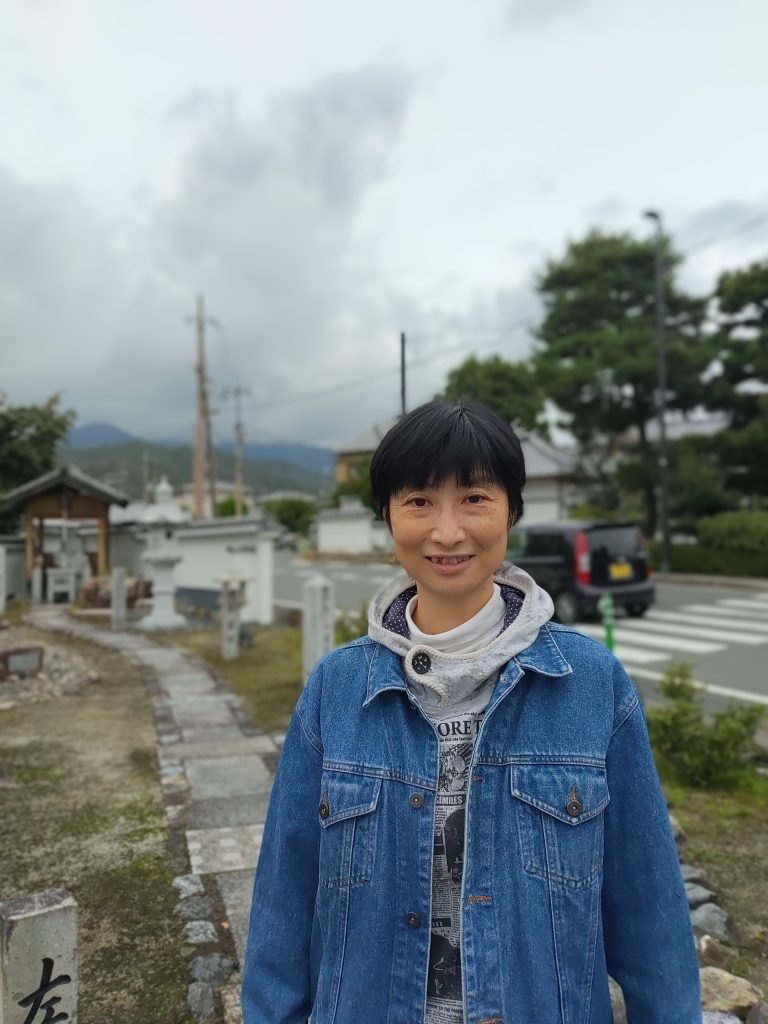
I am a 54-year-old woman, living in Kyoto for nearly 40 years. I got the license in 2001. Since then, I worked as an interpreter or a translator in several companies, secretary at universities, and now work for a company on weekdays at the international dept.I do guiding job only weekend now. I started full swing guiding career after COVID-19 pandemic. I have gotten good review from many of my guests. I love my hometown, Kyoto which has a lot of interesting and historical sites to see. Particularly, I am native to Arashiyama which is famous for bamboo forest. So, I know a lot of places where you can relax yourself around this area. Other than that, Kyoto has many attractive sites which surely interest you.Also, I like meeting many people from different cultural background. I am very happy if I learn about your culture as well. Let’s enjoy exploring around Kyoto!
May 18, 2026
WENDY_W
Viator review: Kyoto 6hr Private Tour with Government-Licensed Guide
Excellent day out
The trip was really well planned and organised, it…
May 18, 2026
WENDY_W
Viator review: Kyoto 6hr Private Tour with Government-Licensed Guide
Excellent day out
The trip was really well planned and organised, it went like clockwork. Our guide, Satoko was excellent, she was very well prepared and explained a lot about everything we saw and did. We covered a lot of ground in Kyoto including using buses, trains and taxis, we really enjoyed the day.
Sep 21, 2025
joshsJ915FC
Super tour of Kyoto
Tripadvisor review: Kyoto 6hr Private Tour with Government-Licensed Guide
Really wonderful tour of markets and geisha district.…
Sep 21, 2025
joshsJ915FC
Super tour of Kyoto
Tripadvisor review: Kyoto 6hr Private Tour with Government-Licensed Guide
Really wonderful tour of markets and geisha district.
Our tour guide Satoko was very knowledgeable and friendly and great with our family. She even held our baby!
Jun 16, 2025
Chanyl C
Highly recommend
Tripadvisor review: Kyoto 6hr Private Tour with Government-Licensed Guide
My husband and I really enjoyed the Kyoto tour.…
Jun 16, 2025
Chanyl C
Highly recommend
Tripadvisor review: Kyoto 6hr Private Tour with Government-Licensed Guide
My husband and I really enjoyed the Kyoto tour. Our guide Satoko was very knowledgeable
and welcoming. Highly recommend!
May 18, 2025
Steve J
A relaxing, enjoyable visit to Arashiyama.
Tripadvisor review: Kyoto 6hr Private Tour with Government-Licensed Guide
Satori was very kind and…
May 18, 2025
Steve J
A relaxing, enjoyable visit to Arashiyama.
Tripadvisor review: Kyoto 6hr Private Tour with Government-Licensed Guide
Satori was very kind and polite. She brought a relaxing aura to our tour today. We explored
the bamboo forest, monkey park and Tenryu-ji Zen Temple. Everywhere we went to was
beautiful.
※JGA-T91336849でご案内いただいたゲスト様からのレビューと思われます。
万が一お心当たりがない場合は、お手数ですがご放念いただけますと幸いです。