Hello! I’m Fujiko Takada. The Chinese character of my first name is the same as Mt.Fuji. I live in Koriyama city in Fukushima Prefecture.
Let me introduce Fukushima Prefecture and Koriyama city. Fukushima Prefecture is located in the northern part of Japan. It is the third largest prefecture in Japan after Hokkaido and Iwate Prefecture. Fukushima is divided into three regions withdiffering topographies, climates, transportation infrasturcture and histories. The three areas are “Hamadori,” between the Pacific Ocean and Abukuma Heights; “Nakadori,” between the Abukuma Heights and the Ou Mountains; and “Aizu,” between the OuMountains and the EchigoMountains. Each region’s feature, developments, and landscapeshave created unique attractions across Fukushima.
Koriyama city is located in !Nakadori,” about 250 kilometers to the north of Tokyo. It takes approximately 80 minutes by the shinkansen from Tokyo. Since Koriyama city is located in the very middle of Fukushima Prefecture, it has easy access to “Aizu,” whichi has a wide variery of historical places worth visiting including Tsurugajo-Castle, to “Hamadori”which has been affected by the disaster in 2011 but boasts abundant delicious seafood.
Fukushima might remind you of the massive earthquake and tsunami,and the severe accident of Fukushima dai-ichi nuclear power plant. It was the largest earthquake in Japanese history triggering a massive tsunami, and caused the nuclear power accident. Two years ago, The Great East Japan Earthquake and Nuclear Disaster Memorial Museum was established in Futaba town at the coastal area. So I would like to guide you around this area and want you to understand what really happened here, how the people behaved facing the disaster and how the area has changed after 13 years later. Because Fukushimaa is the one and onl y place in the world which has experienced a combined disasters of earthquake, tsunami, and nuclear power accident. I assume you that here you can learn a lot of problems and lessons from them that people all over the world might face.
the coastal affected areas are surely on their way of reconstruction and revitalization. Although the people had a great hardship through these years, they are resilient and looking up for their future, getting back their own life and are beginning to design sustainable future.
In addition to the Museum, you can visit other earthquake-devastaaated remains and also globally advanced places. For example, the Fukushima Innovation Coast Framework is a national government project that aims to create a new foundation to restore industry and jobs to the Hamadori region and elsewhere, which were lost due to the earthquake and the nuclear accident. All-out efforts are being made to create new jobs and bring industries back to the impacted area. Such jobs or industries are focused on research and development of decommissioning of the Fukushima Dai-ichi nuclear power plant., robot technologies, energy-related industries, the revitalization of the agriculture, forestry, and fishing industries using advanced technology, human resource development, and tourism leading role in implementation and works in the coastal area. In order to achieve these goals, the strength of the local people is indispensable. Through the tour in Hamadori, you can understand how the local people are making tremendous efforts. You might find the different yourself after the tour. Why don’t you come to Hamadori in Fukushima?

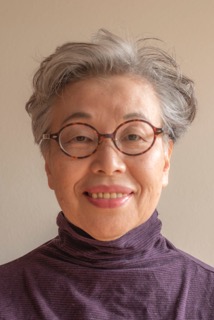
Fujiko
No tours found.