
Tokyo Customized Private Tour in 1 Day — Guide Toshi
October, 2026
This is a private guided tour report by Japan Guide Agency (JGA Inc.), a network of 1,000+ government-licensed, English-speaking local guides across all 47 prefectures of Japan.
Tour Itinerary
- 8:00 Meet at hotel, walk to Higashi-Shinjuku Station, transfer at Shinjuku-sanchome and Akasaka-mitsuke
- 9:10 Arrive at Asakusa Station, Kaminarimon, Nakamise, Senso-ji, head to Asakusa Station
- 11:40 Arrive at Asakusa Station, go to Otemachi Station via Nihonbashi (2 people take a taxi to the Imperial Palace)
- 12:10 Arrive at Otemachi Station, visit Nijubashi from Otemon Gate, head to Nijubashimae Station
- 13:00 Arrive at Nijubashimae Station, head to Meiji-jingumae Station
- 13:30 Arrive at Meiji-jingumae Station, stroll Takeshita Street and lunch
- 14:00 Arrive at Meiji-jingumae Station, head to Higashi-Shinjuku Station
- 14:15 Arrive at Higashi-Shinjuku, head to hotel
- 14:20 Disband at the hotel
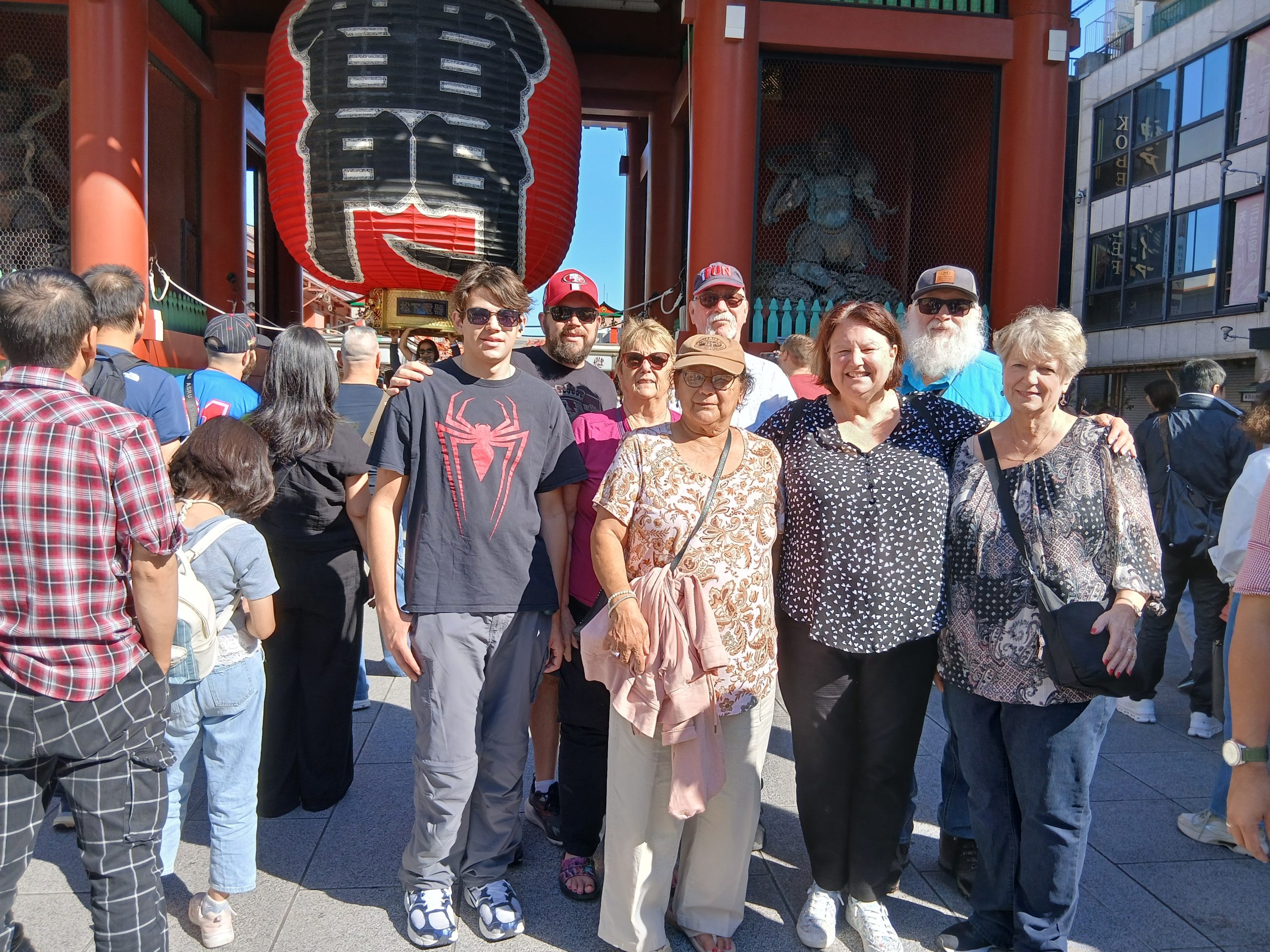
Can You Do a 6-Hour Private Tour of Asakusa and the Imperial Palace from Shinjuku? A Licensed Guide's Report
Today I guided a 6-hour tour for a group of guests visiting from North America. As some members of the group needed extra time to go up and down stairs, I guided with care regarding their movement and sightseeing.
We departed from the subway station nearest to the Hotel in Shinjuku and transferred trains toward Asakusa, but the connections took time, and it took more than an hour to arrive. In Asakusa, we visited Kaminarimon, Nakamise, and Hozomon, where the guests experienced drawing omikuji fortunes and buying omamori charms, after which we visited the main hall of Senso-ji Temple. I also introduced the Buddhist way of praying with palms pressed together.
Next, we visited Asakusa Shrine, where I explained the differences between Buddhist and Shinto ways of worship, as well as the fact that in the past it was common for shrines and temples to coexist on the same grounds, as in Asakusa. Because moving around took time and there was a wish to enjoy shopping at Nakamise at a relaxed pace, we stayed in Asakusa for about two and a half hours.
After that, the two members who needed consideration for going up and down stairs went to the Imperial Palace by taxi, while the rest of the group traveled by subway via Nihonbashi. Everyone met up again at the Imperial Palace Outer Garden, and we mainly viewed the area around Nijubashi Bridge. The guests seemed surprised that such a quiet and calm environment was maintained despite its location in a prime area of the city center.
At the Imperial Palace, I explained how Emperor Meiji moved from Kyoto to Edo Castle, and how Edo was renamed Tokyo. I also mentioned that after the passing of Emperor Meiji, his mausoleum was built in Kyoto in accordance with his will, and that he is enshrined at Meiji Jingu Shrine, guiding them in a way that would help their understanding of Meiji Jingu Shrine, which was the next candidate destination.
However, moving around and sightseeing took more time than expected, and as little time remained, we decided to forgo the originally planned visit to Meiji Jingu Shrine and instead secure time for a stroll along Takeshita Street and for lunch. After that, we traveled by subway from Meiji-jingumae Station to the station near the Hotel and parted ways at the Hotel.
As a result, we ended up omitting part of the originally planned destinations, but I adjusted the itinerary while taking the guests' physical considerations and wishes into account. In particular, in Asakusa we were able to secure plenty of time not only for worship but also for shopping and for experiencing Japanese religious culture, so the guests seemed satisfied.
Click here for more details: Tokyo Customized Private Tour in 1 Day with Licensed Guide
Transportation cost per person
| No. | Transportation | Route | Fare |
| Section 1 | Subway | Higashi-Shinjuku~Asakusa | 280JPY |
| Section 2 | Subway | Asakusa~Otemachi (Tokyo) | 180JPY |
| Section 3 | Subway | Nijubashimae~Meiji-jingumae | 210JPY |
| Section 4 | Subway | Meiji-jingumae~Higashi-Shinjuku | 180JPY |
| Total | 850JPY | ||
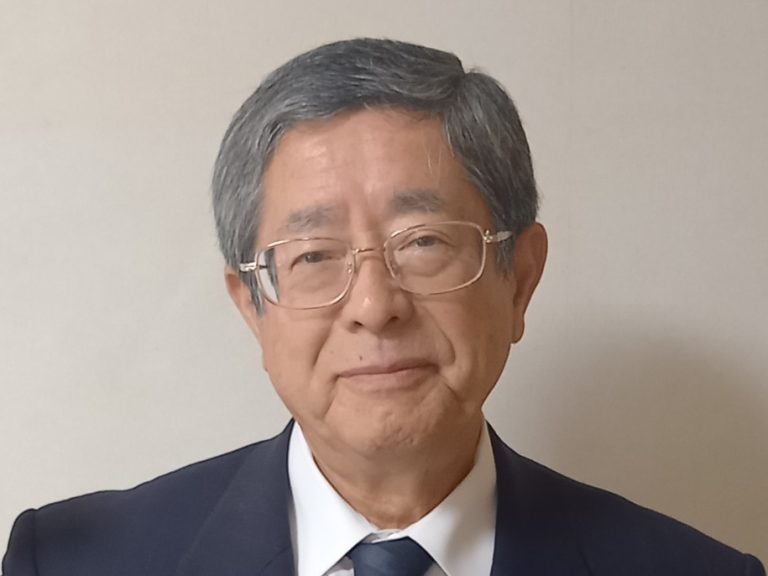
Self-Background
During my university years, I lived in a dormitory for four years and had the opportunity to live with many international students.
Of course, we spoke English.
After graduating from university, I started working as an English teacher at a junior high school.
I was able to have a fun teaching life while interacting with many students. During that time, I continued to study English on my own and obtained the pre-1st grade English proficiency test.
After that, I worked for the Board of Education as a supervisor in charge of English education, and then managed a school as a vice principal, and later principal.
After retiring from teaching, I took the TOEIC (L&R) and achieved my highest score of 945.
I also obtained a license as a national guide-interpreter, and began working as a guide for overseas visitors in English.
Currently, I guide tourists to several places around the country.
Many customers have told me that I am a good guide, saying that my guidance is easy to understand and that I have a lot of knowledge about sightseeing spots and history.
Furthermore, I will continue to improve my skills and make efforts to give you a better experience in Japan, so please come and enjoy your trip in Japan with me.