
This is a private guided tour report by Japan Guide Agency (JGA Inc.), a network of 1,000+ government-licensed, English-speaking local guides across all 47 prefectures of Japan.
Tour Itinerary
- 13:00 – 13:45 Zuihoden 14:00 – 14:50 Sendai City Museum 15:15 – 16:00 Sendai Castle Ruins 16:30 Disband at Sendai Station
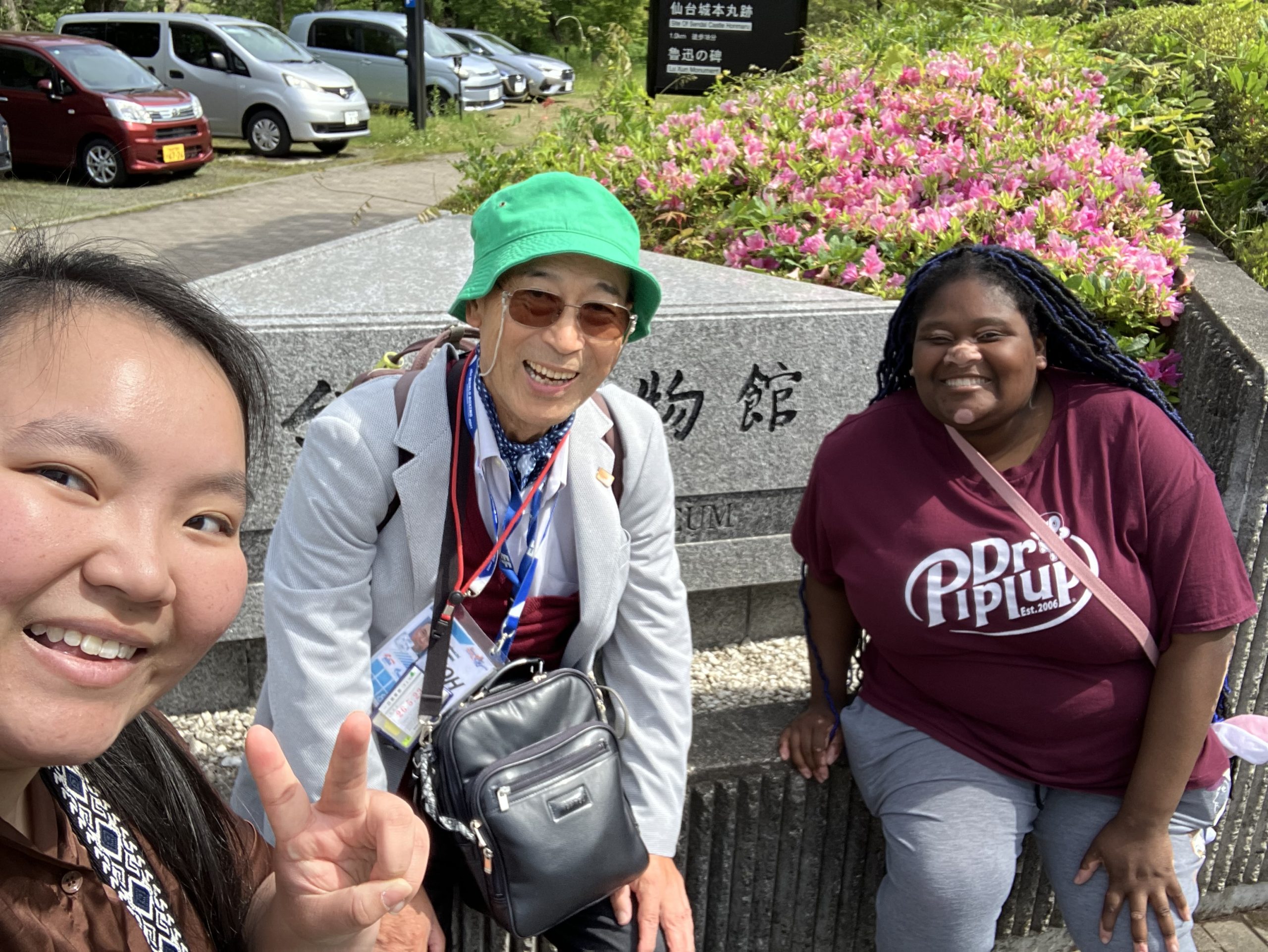
What Is a Private Sendai Tour Like? A Licensed Guide's Report
There was some confusion at the meeting point. The statement listed the Hotel, so I arrived on time, but the guests did not appear. When I asked at the hotel front desk, they told me the guests were actually staying at a different building of the property. When I headed to that building, the guests were heading to the original one, which caused a loss of time before we finally met, and in the end our departure was delayed by 30 minutes. I suspect this was a mistake in the statement. The tour itself went smoothly with no trouble. The guests did not seem very interested in historical topics, and at the museum they were absorbed in modern anime and similar exhibits. At the end, they said they wanted to eat plenty of grilled meat, so we went to the dining area in the basement of the Sendai Station building, where I found a good yakiniku restaurant and guided them there.
Click here for more details: Sendai & Matsushima Customized Half-Day Tour with Licensed Guide
Transportation cost per person
| No. | Transportation | Route | Fare |
| Section 1 | Other | Sendai~Sendai | 630JPY |
| Total | 630JPY | ||
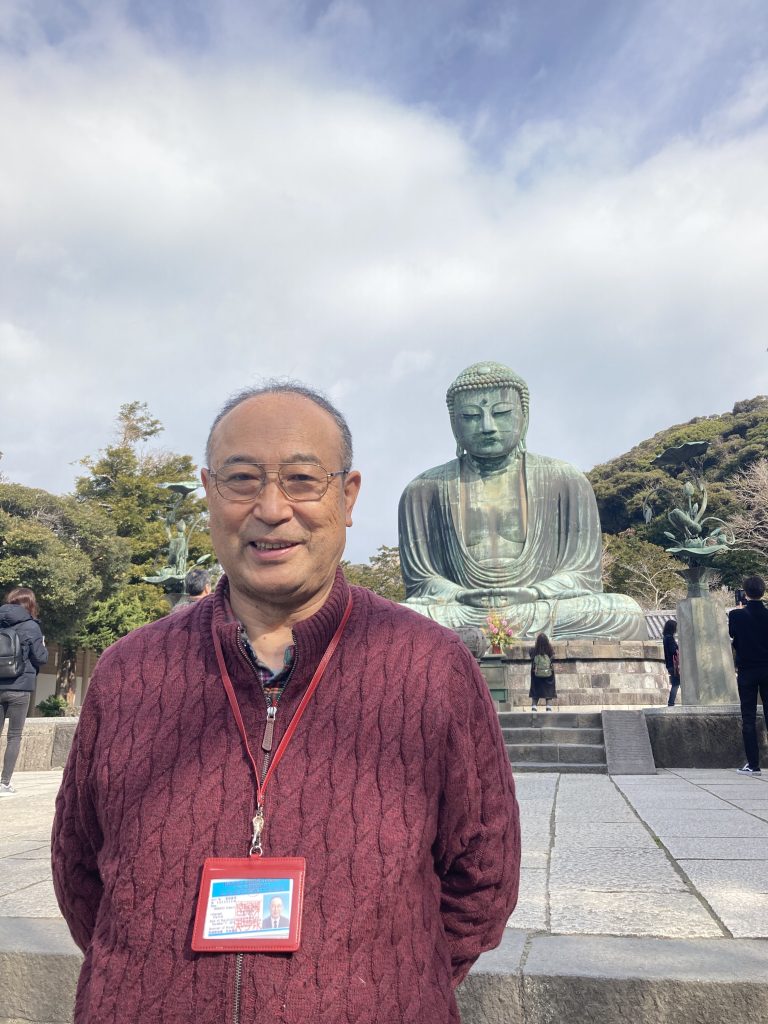
Hello. My name is Kohmin Iwabuchi, but please call me KOH for short. I have been working as a tour guide for more than 10 years. So far, I have visited hundreds of scenic spots, but there is one place I will not go. Guess what is it? That’s the top of Mt. Fuji, the highest mountain in Japan. I can climb the mountain, but it’s hard for me to guide people while climbing.
I am interested in traditional sports in Japan, particularly sumo wrestling. Sumo is time honored sports. We can trace its origin back to some thousand years ago. First it was played as an entertainment in a Shinto shrine. The rule of sumo is simple. The match is played by two participants in a ring. If any parts of the body of one of the participants except the sole touches the ground or he was pushed out of the ring, he will be defeated.
The appearance of sumo wrestlers is very traditional, because their samurai like hairstyle “chonmage” originates from feudal ages.
Unlike boxing and wrestling, there are no weight restrictions or classes, meaning that your opponent can be many times your own size. As a result, weight gain is an essential part of sumo training. Personally my weight is about 200 pounds which enables me to be a sumo wrestler.
Sumo wrestlers live in a sumo stable. It’s the place where they eat, drink, train and sleep together. In greater Tokyo area, there are about 40 sumo stables, many of which are located in Ryogoku area. A small number of stables welcome people to come and see the morning practice. I hope some day I can visit there with you.
Jul 18, 2024
OnAir13534982348
Tour curated to my family’s interests!
Tripadvisor review: Takachiho Gorge Half-Day Private Trip with Government-Licensed Guide
Koh contacted me ahead of…
Jul 18, 2024
OnAir13534982348
Tour curated to my family’s interests!
Tripadvisor review: Takachiho Gorge Half-Day Private Trip with Government-Licensed Guide
Koh contacted me ahead of time and curated the tour according to my family’s interests – culture, temples and food. We wanted to taste Sendai’s specialties, and would have missed out on beef tongue and grilled squid had it not been for Koh! He also hired a car for us when I expressed that funds weren’t an issue for us. We had a wonderful time and highly recommend 10/10.