
This is a private guided tour report by Japan Guide Agency (JGA Inc.), a network of 1,000+ government-licensed, English-speaking local guides across all 47 prefectures of Japan. Not affiliated with the Japan Guide Association.
Tour Itinerary
- 9:30 Meet the guest at the hotel
- Take a taxi to Ginkakuji Temple
- 9:55 Arrive at Ginkakuji Temple
- 11:00 Depart from Ginkakuji Temple
- Take a taxi to Kiyomizudera Temple
- 11:30 Arrive at Kiyomizudera Temple
- 12:40 Stroll along Kiyomizuzaka
- 13:00 Pass through Sannenzaka, Ninenzaka, Ichinenzaka, and Ishibei-koji
- 13:10 Yasaka Shrine
- 13:20 Take a break at a cafe on Shijo Street
- 13:45 Guide through Hanamikoji, say goodbye and finish
**Title:** What's a Private One-Day Kyoto Temple Tour Like? A Licensed Guide's Report
I arrived at the Hotel around 9:10. The meeting time was 9:30, so I waited among the crowd in the lobby. Once the crowd cleared, one of the guests was sitting alone, so I greeted them and we started the tour. We walked to Karasuma Street, caught a taxi, and headed to Ginkaku-ji. The guest showed interest in the Togudo, which was open for a special viewing, and in the other architectural structures. They also seemed to relate to the way Yoshimasa lived. Ginkaku-ji was not crowded, and the guest enjoyed the harmony between the natural surroundings and the garden.
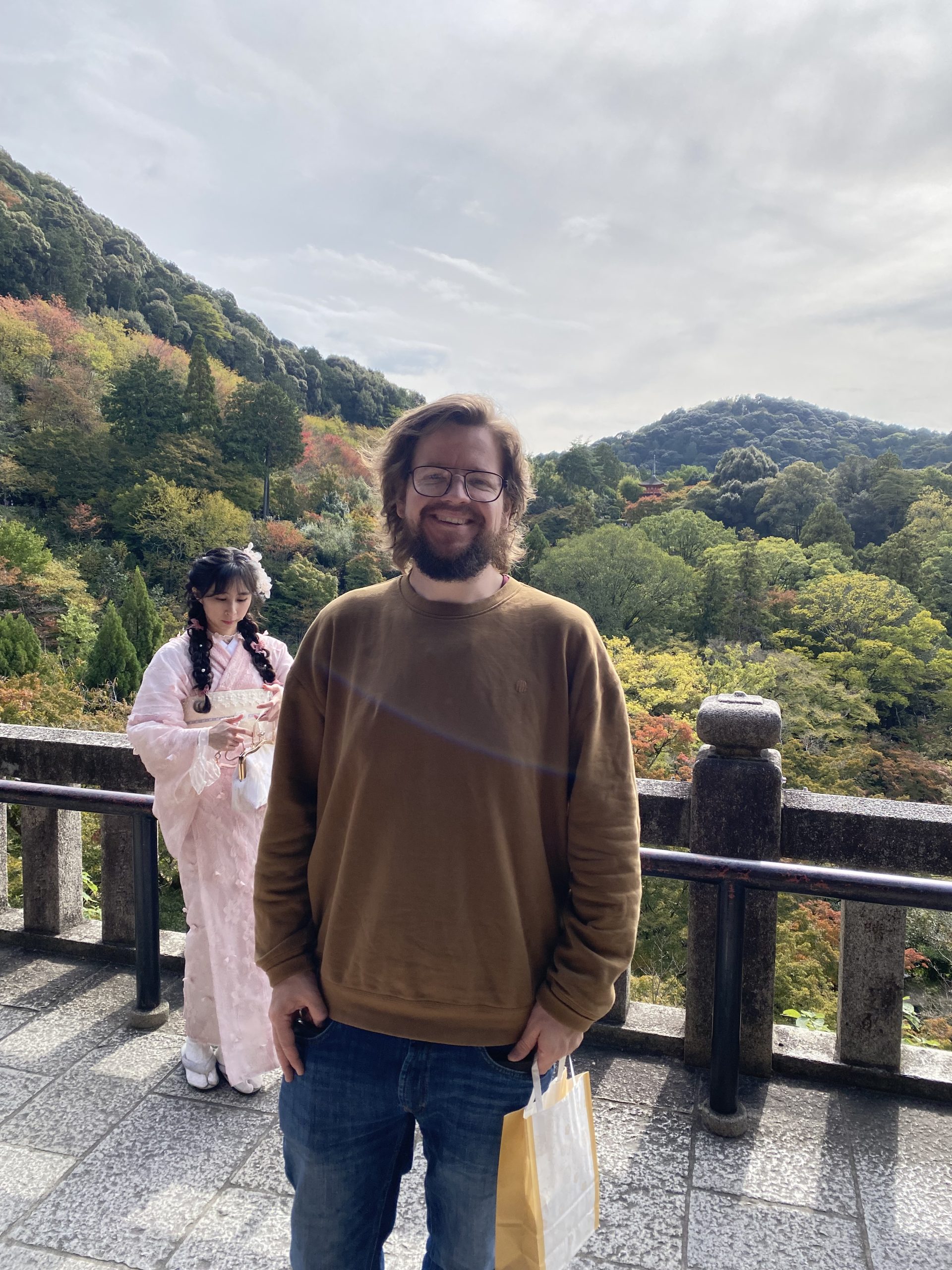
At Kiyomizu-dera, the guest was interested in the fine architectural details. They also seemed to like ceramics such as Kiyomizu ware, and they admired the pieces at the pottery shops around Kiyomizu-zaka. The guest took an interest in a poster for a pottery exhibition displayed on Hanamikoji Street and said they would go there after the tour ended.
Click here for more details: Kyoto Customized Half-Day Tour with Licensed Local Guide

Hello, I’m Yuko, a nationally licensed tour guide in Japan.
My passion for guiding began in my twenties, and was deepened by the eight years I spent in New York, where I studied art criticism and volunteered at the Metropolitan Museum of Art. These experiences taught me the joy of cultural exchange and the value of warm hospitality. I love solo travel, art history – especially the Renaissance – and the Japanese tea ceremony, which I’ve studied under the Urasenke school. Wearing kimono and practicing tea ceremony brings me peace and mindfulness that I enjoy sharing with visitors.
I look forward to being your bridge to Japan’s culture, history and traditions.